
Navigating IEP Meetings: A Parent’s Guide
Everything you need to know to advocate effectively for your child in school
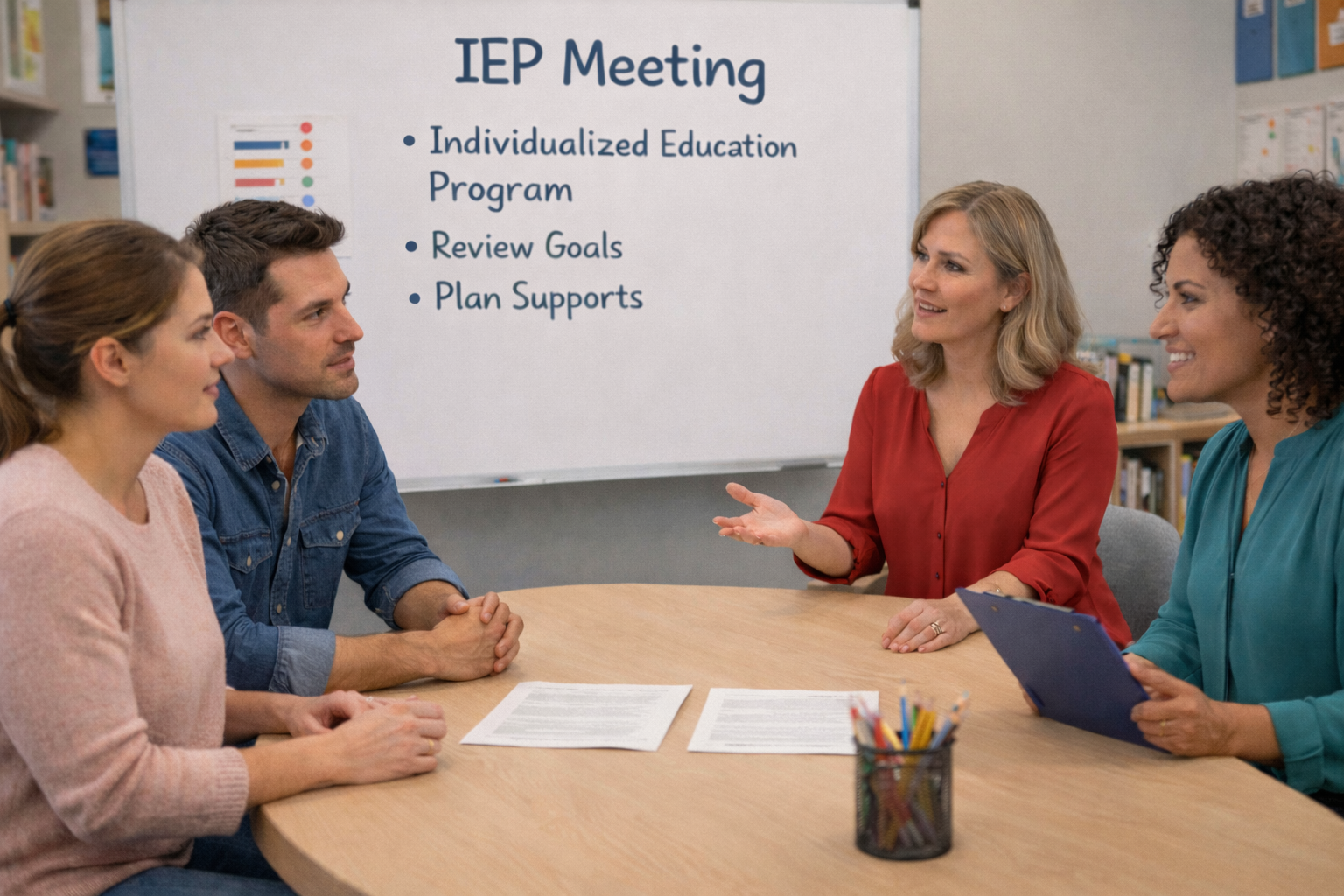
Individualized Education Program (IEP) meetings can feel overwhelming, especially for parents navigating the special education system for the first time. You may be presented with unfamiliar terms, multiple professionals, and important decisions that directly affect your child’s education and well-being.
In Virginia, IEP meetings are a critical part of ensuring students with disabilities receive appropriate support in school. Understanding your rights, your role, and how the process works can help you advocate with confidence and clarity.
This guide is designed to help parents feel prepared, informed, and empowered before, during, and after an IEP meeting.
What Is an IEP?
An Individualized Education Program (IEP) is a legally binding document that outlines the educational services, supports, and accommodations a child with a disability receives in school.
An IEP includes:
- Present levels of academic and functional performance
- Annual goals tailored to the child’s needs
- Special education services and related supports
- Accommodations and modifications
- How progress will be measured and reported
In Virginia, IEPs are developed in accordance with federal law and state regulations to ensure students receive a Free Appropriate Public Education.
Who Attends an IEP Meeting?
IEP meetings bring together a team of individuals who support your child’s education.
Typically, the team includes:
- Parents or legal guardians
- A general education teacher
- A special education teacher
- A school administrator or designee
- Related service providers, such as speech or occupational therapists
- The student, when appropriate
Parents are equal members of the IEP team. Your input, concerns, and observations matter.
Preparing for an IEP Meeting
Preparation is one of the most effective ways to advocate for your child.
Before the meeting, consider:
- Reviewing your child’s current IEP and progress reports
- Writing down questions or concerns
- Gathering outside evaluations or reports, if applicable
- Noting what is working well and what needs improvement
- Asking for a draft IEP in advance, if available
Being prepared helps you stay focused and confident during the discussion.
Understanding Your Rights as a Parent in Virginia
Parents in Virginia have specific rights throughout the IEP process.
Key rights include:
- The right to participate meaningfully in meetings
- The right to request evaluations or reevaluations
- The right to disagree and request revisions
- The right to receive prior written notice of changes
- The right to mediation or due process if disagreements persist
Knowing your rights allows you to advocate effectively while maintaining a collaborative relationship with the school team.
During the IEP Meeting: Advocating Effectively
During the meeting, it is okay to ask questions, request clarification, and take notes.
Helpful advocacy strategies include:
- Asking how goals will be measured and tracked
- Requesting specific examples of supports in the classroom
- Ensuring goals are clear, measurable, and meaningful
- Speaking up if something does not feel appropriate or sufficient
- Asking for time to review changes before signing
Remember, you do not need to agree to everything in the moment.
After the IEP Meeting
Once the meeting ends, your role continues.
After the meeting:
- Review the finalized IEP carefully
- Keep copies of all documents
- Monitor your child’s progress and communication from the school
- Request follow-up meetings if concerns arise
IEPs can be reviewed and revised as needed. Advocacy is an ongoing process.
Common IEP Challenges and How to Navigate Them
Some families encounter challenges such as unclear goals, limited services, or communication breakdowns.
When challenges arise:
- Ask for clarification in writing
- Request additional data or observations
- Bring an advocate or support person to meetings
- Seek outside professional guidance when needed
Support and information can make difficult situations more manageable.
How Autism FIRST Supports Families in Virginia
At Autism FIRST, we understand how complex navigating school systems and IEP meetings can feel for families. Our team supports parents by providing clinical insight, evaluations, and guidance that help inform educational planning.
We collaborate with families to ensure they understand their child’s strengths, needs, and recommended supports, empowering them to participate confidently in school-based decision-making across Virginia.
Taking the Next Step
You are your child’s strongest advocate. With preparation, knowledge, and support, IEP meetings can become opportunities for collaboration rather than sources of stress.
If you have questions about your child’s development, educational needs, or evaluations that may inform school supports, help is available.
Learn more about family support and services at Autism FIRST by visiting our website or contacting our team today.